 RapTor
Hardware Wallet Guide: Which One to Buy, and Whether You Need One at All
Search for a hardware wallet guide and nearly everything you find answers a question you haven't asked yet: how to set up the device you already own. This one answers the question that actually comes first — whether you need one, which to buy if you do, and the failure modes that never make it into a vendor's own setup walkthrough. No device is sold on this page and none is being recommended by brand loyalty; the criteria below — for crypto cold storage security, exchange risk, and everyday wallet security generally — are the same regardless of which logo ends up on the box, and they're what actually decides which is the best hardware wallet for your situation rather than for someone else's.
Do you actually need a hardware wallet?
Not automatically. A hardware wallet protects against a specific threat: malware or a remote attacker draining a private key that would otherwise sit on an internet-connected device.Trezor If the amount you're holding is small enough that losing all of it would be an annoyance rather than a real financial hit, a reputable phone wallet with a screen-lock and biometric unlock is a reasonable, proportionate choice, and buying a $79 device to protect $40 in crypto is solving a problem you don't have. The calculation flips once the balance would actually hurt to lose, once you're holding for the long term rather than trading day to day, or once you're the kind of buyer covered on the darknet markets overview who needs funds to survive between an exchange purchase and a market order without sitting exposed the whole time. There's no fixed dollar threshold RapTor is going to invent — the honest test is whether the loss would actually matter to you, not a number pulled from a vendor's marketing.
Which device to buy, and on what criteria
Four criteria matter more than the marketing on the box:
- Open firmware versus a closed secure element
- Covered in full below — this is the single biggest architectural difference between vendors and the one most buyers never hear framed as a choice.
- Coin support matching what you actually hold
- A device with broad multi-coin support is more convenient if you hold several assets; a Bitcoin-only or Monero-compatible device narrows the attack surface if you don't need the rest. Buying the widest-support option "just in case" adds complexity you may never use.
- PIN and wipe policy
- Devices differ meaningfully here — one line of devices supports a PIN up to 50 digits with a doubling delay after each wrong attempt and a wipe after 16 failures,Trezor while another uses a shorter 4-to-8-digit PIN with a wipe after three failed attempts.Ledger A longer PIN and more attempts before a wipe favors a device left somewhere it could be physically found; a faster wipe favors resistance against sustained tampering. Neither is strictly better — they're different bets about what's more likely to happen to your specific device.
- Screen and clear-signing
- A device with its own screen, driven directly by its secure chip rather than by the connected computer, lets you verify a transaction's actual destination address independently of a potentially compromised computer display — the single most important feature on this list, because it's the one that catches a specific, real attack: malware that alters the address shown on your screen while leaving what the device itself displays untouched.
What open firmware versus a closed secure element actually changes
These are two different claims, and vendors often let them blur together. "Open-source firmware" means the code controlling the device's logic is published for public audit — anyone can read it, and a community of outside reviewers can find bugs the vendor's own team missed. One major vendor states its firmware "has always been, and will always remain, open source."Trezor The secure element — the physical chip that actually holds your private key in tamper-resistant hardware — is a separate question, and it's usually closed even on a vendor that publishes open firmware, because secure-element chips are typically licensed from a small number of manufacturers under certification agreements that require confidentiality. One vendor's newest flagship device is a rare exception, built around what it describes as an open-source secure element chip specifically.Trezor A competing vendor instead uses a certified, closed secure element chip — the same category of chip used in passports and credit cards — reasoning that certification and a track record matter more than the ability to audit the silicon yourself.Ledger Neither position is dishonest; they're different trade-offs between auditability and the kind of physical tamper-resistance that comes from a chip design nobody outside a certification body gets to see. If you can't personally read firmware source code either way, the practical difference is smaller than it sounds — what actually protects you day to day is the PIN, the screen verification habit, and the seed backup, not whether you personally could theoretically audit the code.
Why the device must come from the manufacturer, and what tampered looks like
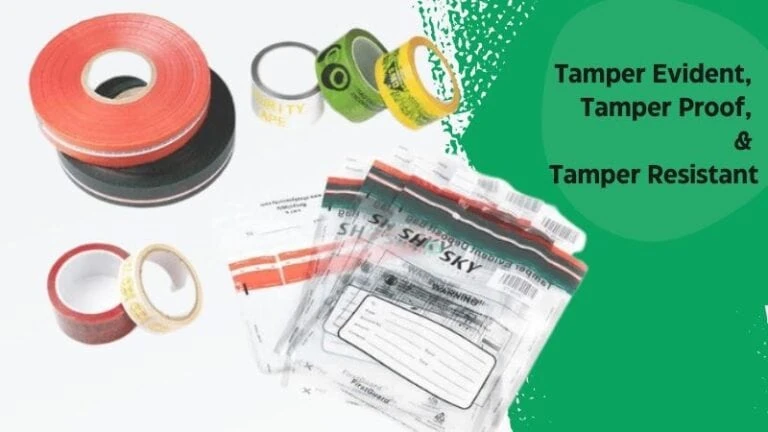
Buy directly from the manufacturer's own store, not a marketplace listing, an auction site, or a "discounted" reseller, even one that looks legitimate. A device intercepted before it reaches you can arrive with a seed phrase already generated and printed on an included card, or with tamper-evident packaging replicated convincingly enough to pass a casual glance — and if you set up a device using a seed you didn't generate yourself, on-device, you have no way to know who else holds a copy of it. One vendor's own support guidance states the strongest single warning found across this research: a device that arrives with a recovery phrase or PIN already written down must not be used under any circumstances, full stop — that is not a convenience, it's the tamper. Generate your own seed on the device itself, during your own setup, and verify a genuine-device check through the vendor's own official app before you fund anything.Ledger
Why leaving coins on an exchange is a different risk, not a smaller one
An exchange balance isn't a smaller version of self-custody risk — it's a different risk entirely, because you don't hold the private key at all; you hold a claim against the exchange's own solvency and honesty. If the exchange is hacked, mismanages funds, freezes withdrawals, or collapses outright, your balance is only as good as whatever's left to distribute afterward, a risk category that has played out repeatedly and is exactly why moving meaningful holdings into self-custody is standard advice rather than paranoia.Trezor A hardware wallet trades that counterparty risk for a different set of responsibilities — protecting a physical device and a seed backup — which is a trade worth making for most people holding anything beyond pocket-change amounts, but it is a trade, not a strict improvement with no new obligations attached.
What a passphrase is, and whether a beginner should use one
A passphrase — sometimes called a 25th word — is an additional secret you add on top of your seed phrase, and it generates a completely different wallet than the seed alone would. The same seed words with no passphrase, or with two different passphrases, produce three entirely separate wallets, which is powerful and genuinely dangerous for a beginner: a tiny difference — a capital letter, a trailing space — produces a different wallet with no error message, and forgetting you used a passphrase at all, or forgetting its exact capitalization, can look identical to your funds being gone.Self Custody Labs A passphrase does add real protection — someone who finds your written seed alone still can't reach a passphrase-protected wallet — but for most first-time users, the realistic risk of self-lockout from a forgotten or mistyped passphrase outweighs the benefit. Skip it for your first wallet; consider it once you're comfortable with the base setup and have a concrete reason, such as plausible deniability against a specific threat, rather than adding it because it sounds more secure in the abstract.
If the device breaks, is lost, or the company shuts down
None of these are the disaster they sound like, provided your seed backup is intact — the device itself never holds your coins; it holds the key that lets you sign for coins that live on the blockchain, and that key is fully reconstructable from the seed words alone.Trezor A broken, lost, or stolen device is recoverable by entering your seed phrase into a new device — from the same manufacturer or, since the underlying seed standard is an open specification rather than anything proprietary,BIP-39 a different one entirely. If the company itself shut down tomorrow, your seed would still work in any wallet software or device that implements the same open standard, which is precisely why the seed backup — covered in full on seed phrase backup — matters more than which brand's logo is on the device generating it. The one thing none of that protects against: if your backup is also gone, lost, or destroyed at the same time as the device, there is no company support line that can help you, because nobody but you ever held the key.
What a hardware wallet does not protect against
A hardware wallet is a strong answer to remote attacks and a weak or nonexistent answer to a handful of others worth naming plainly. It does nothing about a wrench: physical coercion, where someone forces you to authorize a transaction in person, bypasses every cryptographic protection the device offers, because the device is doing exactly what it's designed to do — signing a transaction you physically approved. Chainalysis's own 2026 crime report names this directly as a rising trend, describing "a particularly disturbing rise in physical coercion attacks, in which criminals use violence to force victims to transfer assets, often timing these assaults to coincide with cryptocurrency price peaks."Chainalysis, 8 Jan 2026 A hardware wallet also does nothing about a phishing page that convinces you to approve a malicious transaction yourself, nothing about a fake support agent talking you through entering your seed "for verification," and nothing about inheritance — if you're incapacitated or die without anyone else knowing the seed exists or where it's stored, the funds are unreachable by anyone, permanently, which is not a hypothetical edge case but a real, common outcome of self-custody done without any succession plan at all.
When multisig makes more sense than one device
A single hardware wallet, however well chosen, is still a single point of failure: one device, one seed, one PIN standing between your funds and either loss or theft. Multisig setups require signatures from multiple independent keys — often stored on separate devices in separate locations — before a transaction can go through, which removes any single device, location, or moment of coercion as a complete failure point. That's real additional protection, and it comes at a real cost in setup complexity and ongoing friction, which is why it makes more sense for holdings large enough that the added complexity is clearly worth it, for shared or business funds where no single person should have unilateral control, or for a reader who has already worked through the OPSEC guide's threat-model checklist and identified a specific threat — a housemate, a coercion risk, a legal seizure risk — that a single device genuinely can't address. For a typical individual holding a moderate amount for personal use, one well-chosen device with a properly tested backup is enough; multisig solves a problem most readers don't yet have, and adding it prematurely mainly adds ways to lock yourself out.
Once you've chosen a device, setting up a Ledger or Trezor walks through the two most common flows side by side. If privacy from chain analysis matters as much as custody, cryptocurrency privacy and the Monero guide cover the parts a hardware wallet doesn't touch at all.